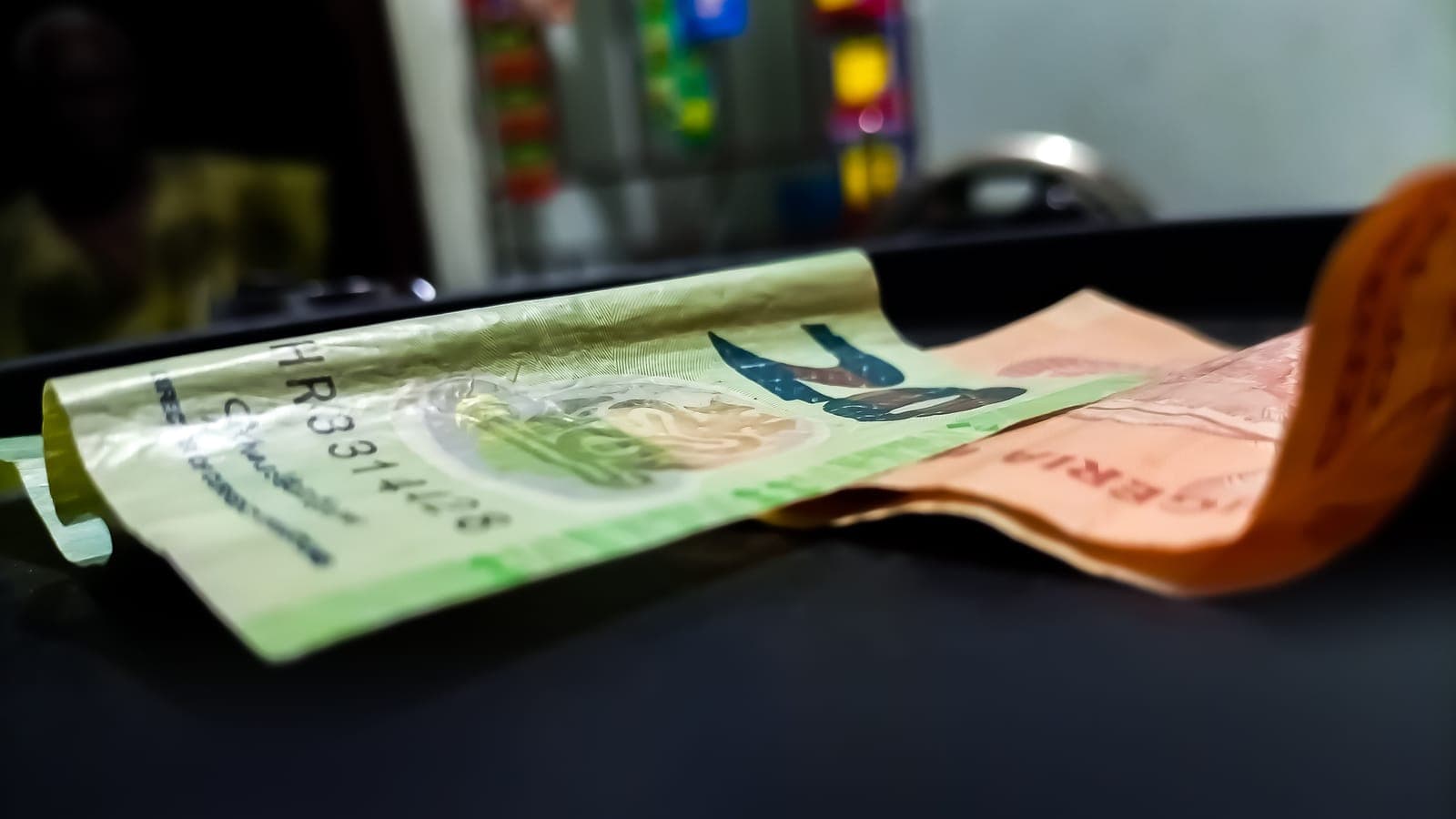
For diaspora buyers, currency is often the hidden line item that decides whether a purchase feels like a win or a loss. You earn in pounds, dollars or euros; the property is priced in naira (or quietly pegged to the dollar by a developer hedging their own risk). Between the day you agree a price and the day you close, the exchange rate can move enough to add — or remove — millions of naira from your real cost.
Two distinct problems
The first is volatility: small shifts in the rate translate into large swings in your budget, which makes planning hard. The second is "diaspora pricing" — some developers and agents inflate quotes for overseas buyers on the assumption that hard currency makes them less price-sensitive. Both problems share a root cause: a process where the price is loosely defined and the timeline is long.
The framework that controls it
- Fix the valuation early. Agree the naira figure at offer and lock it, so later FX moves do not re-open the negotiation against you.
- Split deliberately. Decide which portions you pay in hard currency versus naira, rather than converting everything in a panic near closing.
- Use regulated channels. The Non-Resident Nigerian Investment Account (operational since 1 January 2025) gives diaspora investors a formal, documented way to move funds in either foreign currency or naira — useful for clean records and tax treatment.
You cannot control the exchange rate. You can control when your price is fixed, which currency funds which portion, and which channel your money travels through.
How merge2own helps
merge2own contracts in naira and locks the valuation at offer acceptance, so a move in the rate after that point does not change your principal. Pricing is transparent — there is no "diaspora premium" hidden in an agent's margin, because you are dealing with a regulated facilitator, not an introducer. And because the platform sits across the whole transaction, your payments follow regulated channels with a clean audit trail.
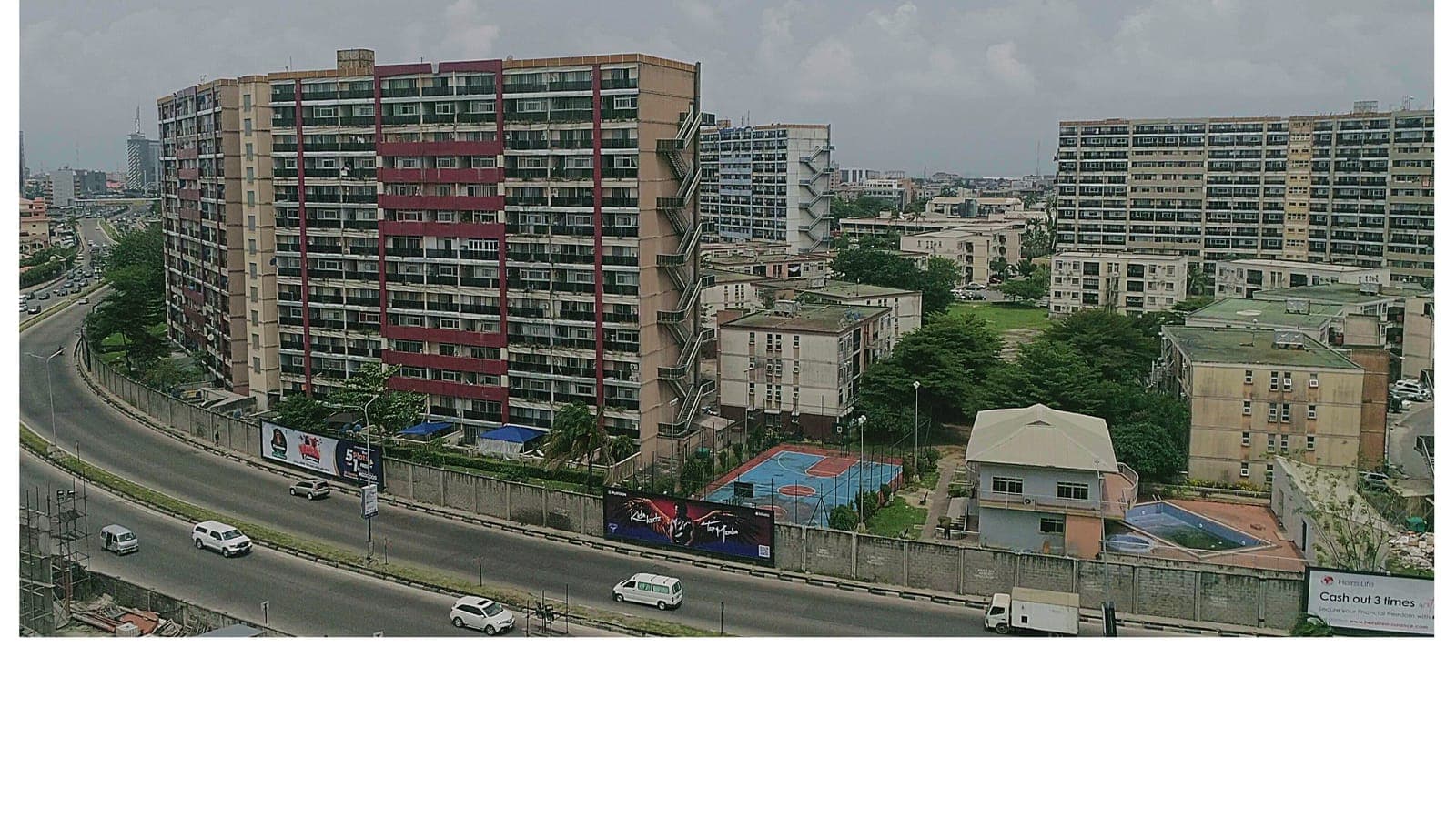
Photo: Atej2* — CC BY-SA 4.0, via Wikimedia Commons.
Sources
Frequently asked questions
Why is currency risk a big deal for diaspora property buyers in Nigeria?+
Because you typically earn in foreign currency but buy an asset priced in naira. Exchange-rate movements between agreeing a price and closing can change your real cost by a large margin, and some sellers add a "diaspora premium" expecting hard-currency buyers to overpay.
What is the Non-Resident Nigerian Investment Account (NRNIA)?+
It is a regulated account, operational since 1 January 2025, that gives non-resident Nigerians a formal channel to invest in Nigerian assets in either foreign currency or naira — useful for clean documentation and tax treatment when funding a property purchase.
Can I lock in a price so exchange-rate moves don't hurt me?+
With merge2own the naira valuation is fixed at offer acceptance, so movements after that point do not change your principal. You can also decide in advance which portions to pay in hard currency versus naira to manage exposure.
Discussion
Join the conversation — it's free.